Brand Name Misuse on Marketplaces and How to Protect Against It
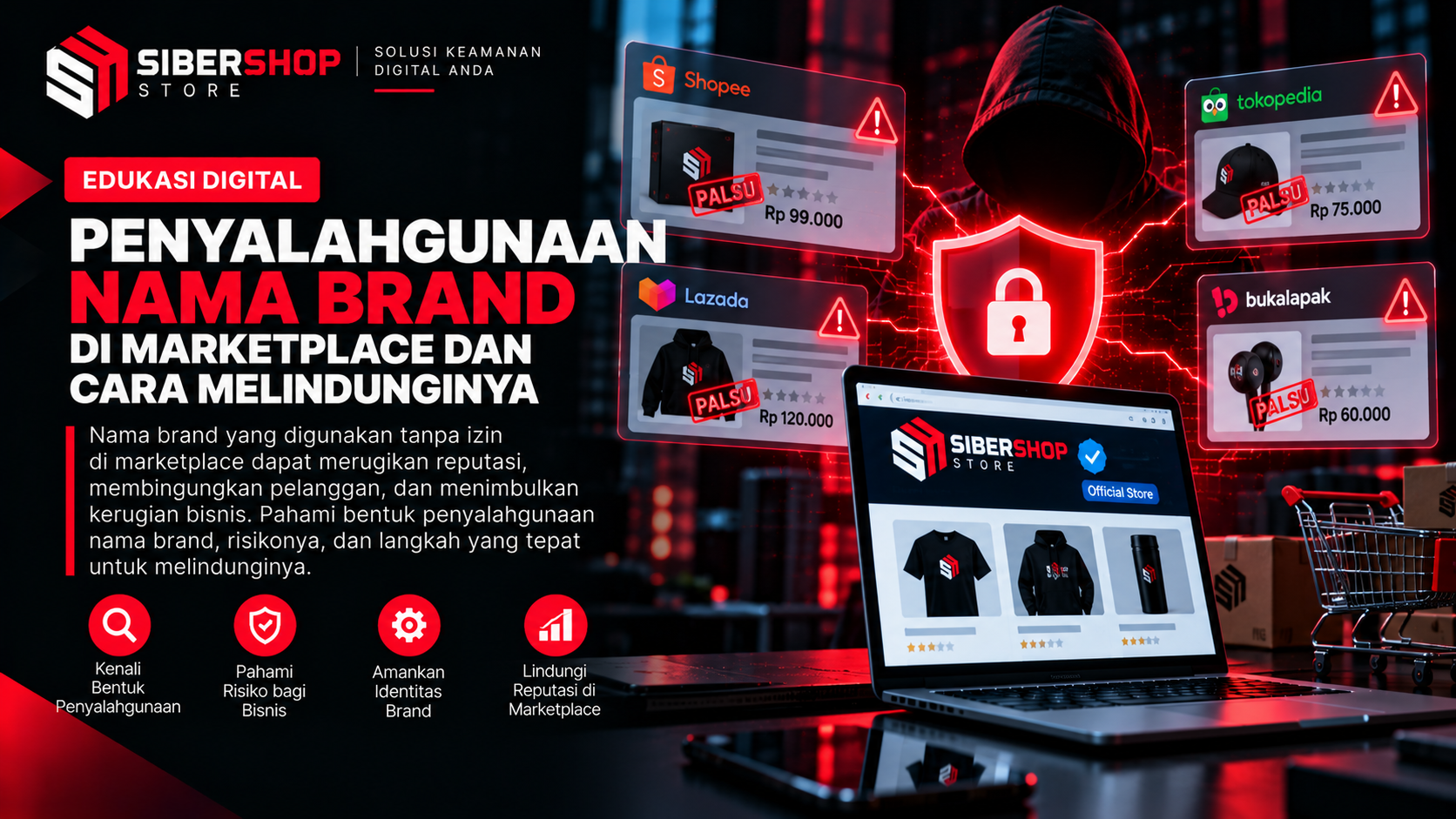
Marketplaces have become the primary showcase for many brands, and precisely because they attract so many buyers, this space is also appealing to those who want to piggyback on big names. Counterfeit stores don’t need to build a reputation from scratch—they simply borrow the name, product photos, and visual style of well-known brands. For buyers, a convincing appearance is often enough to trigger a purchase decision without further verification. For brands, the damage only becomes apparent when complaints start pouring in regarding transactions they never processed.
Therefore, taking down fake marketplace listings should be viewed as a common ground between brand risks and consumer risks. A single counterfeit listing can financially harm buyers while simultaneously eroding trust in the actual brand owner. This article outlines common forms of misuse, their impacts, the documentation that needs to be prepared, and how professional assistance works within realistic limits.
Forms of Brand Name Misuse on Marketplaces
Brand name misuse on marketplaces takes several forms that often occur simultaneously. The first form involves stores claiming to be official stores or authorized distributors, complete with authenticity claims never authorized by the brand owner. The second form involves listings that use the brand’s product names and photos, leading potential buyers to believe they are viewing genuine products. In some cases, photos and descriptions are copied verbatim from official channels and then paired with significantly lower prices to attract attention.
The third form involves sellers imitating a company’s visual identity—from the logo, colors, and store banner down to the store name, which differs by just one or two letters. Such imitations are hard for hurried shoppers to spot, especially when they appear in marketplace search results right next to the genuine store. Abuse also doesn’t always take the form of outright fraud. Sometimes the item is actually shipped, but it doesn’t meet the promised specifications or quality standards, leaving buyers disappointed—all under a name that doesn’t belong to the actual owner.
Impact on Brands and Consumers
The most immediate impact is felt by buyers, who lose money, receive items that don’t match the description, or don’t receive the items at all. But the impact doesn’t stop there. Deceived customers tend to look for someone to blame, and the name listed on the product or store page is the first place they turn. As a result, the genuine brand receives complaints, low-star reviews, and negative comments for transactions that have nothing to do with them.
In the medium term, trust in the brand is also affected because other potential buyers read these reviews and become hesitant to make a purchase—even through official channels. The customer service team is also burdened because they have to handle complaints that are not actually the company’s responsibility. The time spent explaining that the store does not belong to the brand is a hidden cost that is rarely accounted for. The longer the counterfeit listing is left active, the more buyers are potentially harmed, and the harder it becomes to restore public perception.
From the consumer’s perspective, the risks go beyond financial loss. Buyers who provide personal data—such as their name, address, and phone number—to counterfeit stores open the door to that data being misused for other purposes. They may also be directed to move conversations to messaging apps outside the marketplace, where transaction protections do not apply. Taking action against counterfeit stores ultimately protects both parties: the brand whose name is being used and the consumers who are being targeted.
Documentation Required Before Reporting
Reports submitted to the platform will be far more effective if supported by well-organized documentation from the start. Screenshots of the store page and product listings must be taken with the date and time clearly visible, as this type of content can easily be changed or deleted by the seller. Links to the listing and the store page must also be accurately recorded so the platform can locate the reported item without confusion. These two elements form the foundation for the entire subsequent process.
Additionally, platforms generally require proof that the reporter is indeed the rightful party. Such proof may include trademark ownership documents or documents demonstrating rights to visual assets such as product photos, logos, and campaign materials. Comparing the listing to the brand’s official channels—whether its website, social media accounts, or official store listings—helps highlight where discrepancies lie. The completeness of these documents often determines how easily the report can be reviewed, although the final decision rests with the platform.
Brands should also keep a brief chronological record—for example, when the listing was first discovered, who discovered it, and any buyer complaints that have been submitted. These records help the verification team understand the scale of the problem and determine the priority order for handling it. Buyer complaints submitted through official channels can serve as additional evidence that the misuse has already caused tangible harm.
Siber Group’s Workflow and Key Considerations
Professional service providers guide this process through a clear workflow. The first stage is case verification, which involves confirming that the reported store or listing is indeed misusing the client’s brand name or assets, while also assessing the sufficiency of the available evidence. The second stage is drafting a report tailored to each platform’s policies, as every marketplace has different forms, categories of violations, and evidence requirements. Reports that align with platform policies are easier for review teams to evaluate.
The third stage involves filing a report through the official channels provided by the platform, and if the case warrants it, through legal channels. The choice of channel is discussed with the client, taking into account the nature of the infringement, the completeness of the evidence, and the desired outcome. The fourth stage involves monitoring the status of the report and providing updates to the client, so that progress can be tracked without having to inquire individually. The entire process serves as guidance, not a substitute for the role of the platform or the brand owner.
There are limitations that must be honestly communicated. Professional advisors cannot guarantee specific outcomes or resolution timelines. Counterfeit stores may also reappear under different names after one account has been taken down, making regular monitoring a crucial part of brand protection. Brands that recognize this from the start are typically better prepared to develop long-term strategies, including clearly identifying official channels so that buyers know where to verify a store’s authenticity.
Contact Us
Contact us via email at [email protected], WhatsApp at 085117758048, or our website at sibershopstore.com.