Counterfeit Domains That Impersonate Companies Must Be Handled Properly
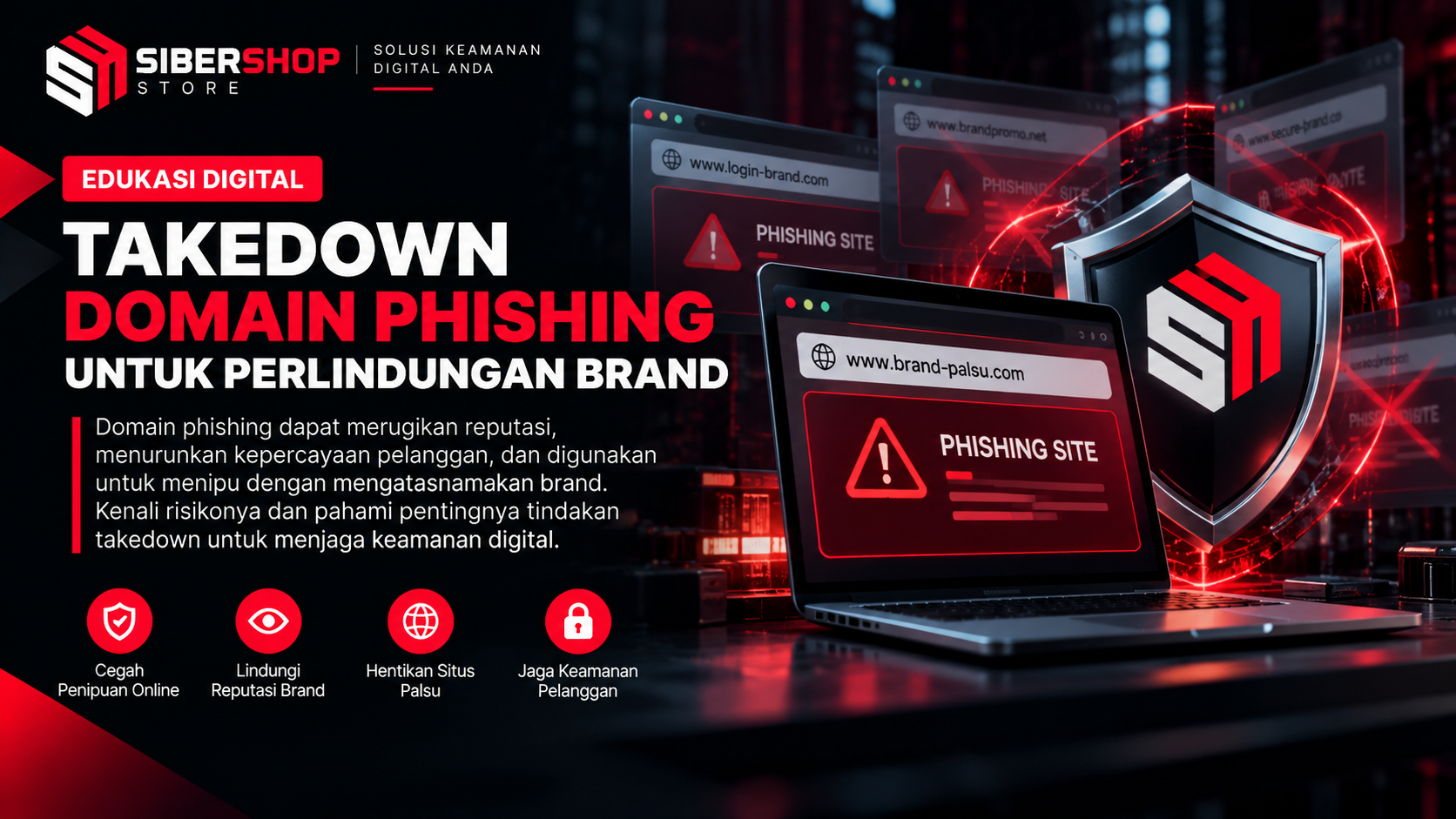
Fake domains and phishing sites that impersonate companies often appear without warning. The page layout may use the same logo, colors, language, and menu structure as the official site, making it difficult for customers to tell them apart. Sites like these are typically used to collect login credentials, payment information, or redirect potential victims to fake communication channels. For companies, the impact extends beyond customer losses to eroding trust in the counterfeited brand. Therefore, taking down phishing domains is a critical part of brand protection.
Unlike fake social media accounts, which exist within specific platforms, counterfeit domains and websites operate at the infrastructure layer of the internet. A domain is registered through a registrar, the website is hosted by a provider, and its pages can be found via search engines. Each party has its own authority and reporting procedures, so reports sent to the wrong party usually yield no results. Understanding this division of responsibilities is the first step before drafting any report.
Documenting Evidence as the Basis for Abuse Reports
Abuse reports that are well-received by service providers are generally supported by clear and easily verifiable evidence. Documentation should include screenshots of the counterfeit site, the full domain address, and the date and time of discovery. This evidence must demonstrate how the page mimics the official website—for example, through the use of brand names, logos, or copied content. Notes on how the site was disseminated—such as via text messages or advertisements—further strengthen the case of abuse.
The connection to the counterfeited brand must also be clearly explained. Companies are usually asked to demonstrate their rights to the name, logo, or official domain being imitated, so that service providers can verify that the reporter is indeed a legitimate stakeholder. Evidence that is organized in a logical sequence and consistent streamlines the review process for the recipient of the report. Conversely, scattered evidence or evidence that does not include the time of discovery often triggers requests for additional data and slows down the handling process. A professional advisor helps ensure that every attachment is indeed relevant and verifiable.
Official Channels, Legal Channels, and Service Provider Decisions
The handling of phishing sites generally begins with reporting abuse through official channels. Reports can be submitted to the registrar managing the domain registration, the hosting provider hosting the site, and search engine reporting services so that the malicious page can be reviewed. Each party has different forms, policies, and response deadlines. Choosing the channel that aligns with the domain’s status saves time and avoids duplicate reports.
In certain cases, companies may also need to consider legal action—for example, when trademark infringement has widespread impact or the perpetrator remains active after the initial report. This approach requires a legal assessment and more comprehensive documentation, so it must be decided carefully in consultation with the relevant authorities. It is important to understand that the final decision rests with the registrar, hosting provider, search engine, or the relevant authority. Therefore, no party can guarantee the outcome of the removal or the timeframe involved. What can be done is to ensure that the report is properly prepared and submitted to the appropriate party.
Monitoring Domains Similar to Trademarks
Perpetrators rarely stop at just one domain. When one site is reviewed or deactivated, another domain with a nearly identical spelling can be registered in a short time. Common variations include swapped letters, additional words appended to the brand name, or different domain extensions. Without regular monitoring, companies often only become aware of these issues after customers file complaints.
Monitoring domains similar to brand names helps ensure new findings are recorded early on and addressed sooner. Each finding is evaluated to determine whether it is actually being used to imitate the company or is merely a coincidence, ensuring that the reports sent remain well-founded. This monitoring does not guarantee that every imitation domain will be removed. The main benefit is that the company has a clear picture of the patterns of brand name misuse and can determine its next steps with greater confidence.
Maintaining Customer and Partner Trust Throughout the Process
While the reporting process is underway, the counterfeit sites may still be accessible and continue to mislead users. Customers and business partners need clear and reassuring information about the company’s official channels. Internal teams are typically already busy with day-to-day operations, while matters involving registrars, hosting providers, and search engines require meticulous attention and repeated communication. Professional support alleviates this burden, allowing the company to focus on maintaining relationships with customers.
Siber Group guides this process from evidence collection, selecting reporting channels, drafting abuse reports, to monitoring the progress of responses from service providers. Each stage is communicated openly, including the scope of authority for each party contacted. This approach keeps expectations realistic while ensuring the company isn’t navigating the process alone. Brand protection ultimately depends on the speed of identifying abuse and the thoroughness in addressing it.
Contact Us
Contact Us through our official channels.