When a Company’s Name Is Used by Others to Gain Trust
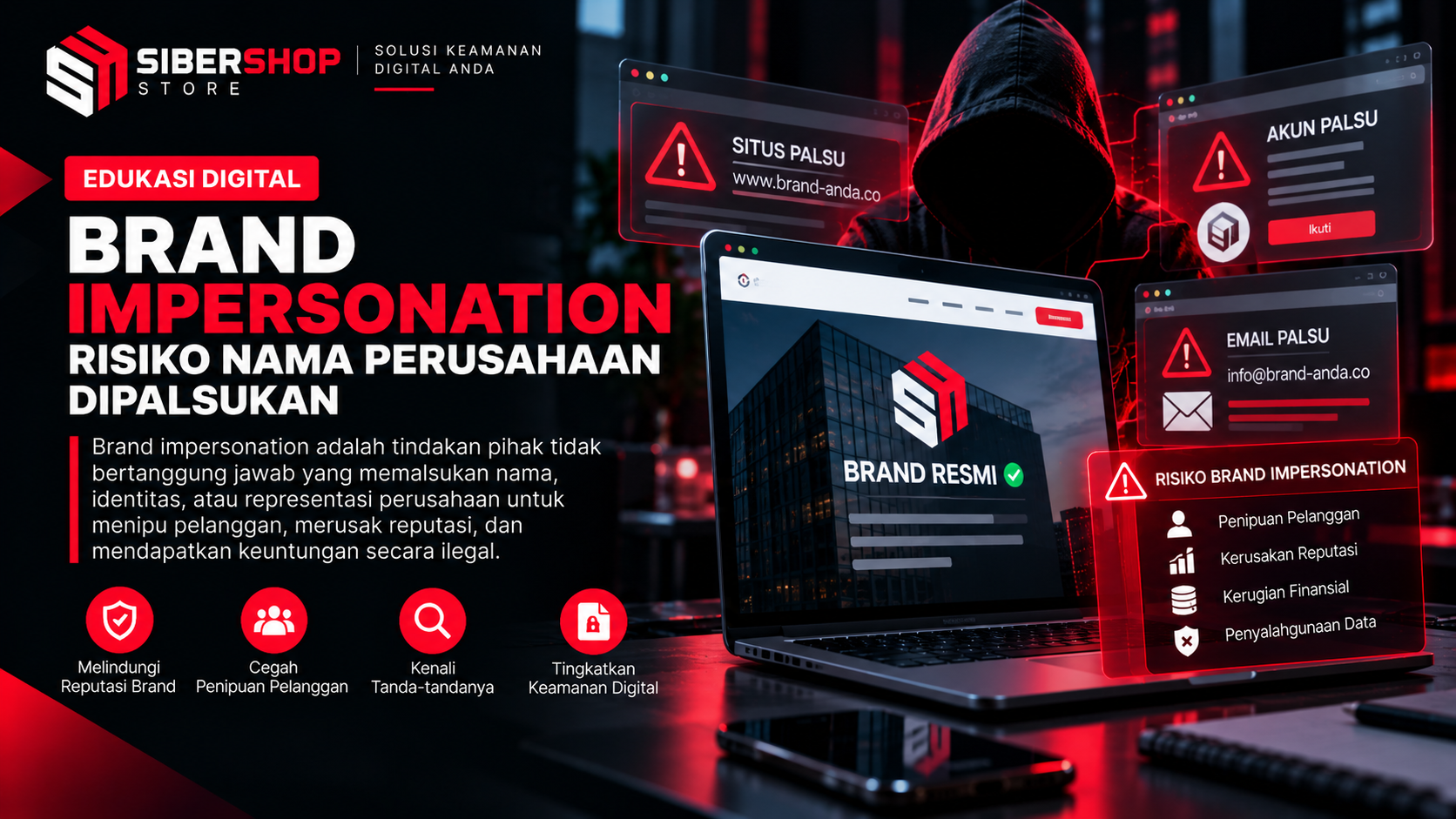
A company’s name is built over many years through its products, services, and the way it communicates with customers. In the digital realm, all that hard work can be replicated in a matter of hours by parties that have no connection whatsoever to the company. This phenomenon is known as brand impersonation—the act of posing as a brand to exploit the trust it has already earned. Many organizations view it as a technical issue best left to the IT team. However, the core of the problem lies in trust, so addressing it requires the involvement of marketing, customer service, legal, and leadership.
Definition and Common Forms of Brand Impersonation
Brand impersonation occurs when a company’s identity—including its name, logo, tone of voice, and visual appearance—is used by another party without permission to convince people that they are dealing with the genuine company. It takes various forms, but three are most commonly encountered. First are fake social media accounts that use profile photos, names, and posts resembling those of the official account. Second are fake websites with similar domain names and designs copied from the original site. Third are messages sent in the company’s name—whether via messaging apps, email, or text messages—that offer promotions, request payments, or direct recipients to specific links.
These three rarely operate in isolation. Fake accounts are often used to attract attention, fake websites serve as transaction platforms, and private messages are used to pressure potential victims into acting quickly. The more polished the imitation, the harder it is for the average person to distinguish it from official channels. Therefore, companies cannot rely solely on customer vigilance to protect their reputation.
Impact on Customers, Partners, and Reputation
Customers feel the impact most immediately. People who are deceived by fake accounts or websites generally do not blame the perpetrators—whom they do not know—but rather the company whose name is being used. From their perspective, the transaction was conducted with a trusted brand, so their disappointment and sense of being wronged are directed straight at the company. Business partners are also affected, especially when fake messages target suppliers, distributors, or colleagues with requests that appear legitimate.
What makes this risk difficult to control is the time lag. External trust can be damaged long before the company realizes a fake is circulating, because victims often only tell relatives or write reviews without ever contacting the company. By the time complaints finally reach the company, the narrative in the public sphere may already be set. A reputation eroded in this way cannot be restored with just a single clarification, because what needs to be restored is people’s confidence that the company’s official channels are reliable.
Early Warning Signs That Marketing and Customer Service Teams Should Monitor
Marketing and customer service teams are actually on the front lines and are often the first to pick up on these signals. One such sign is customer reports regarding transactions, promises, or conversations that the internal team does not recognize. For example, a customer might claim to have spoken with a company representative, even though that name isn’t on the employee roster, or admit to having paid into an account the company has never announced. Recurring questions—such as whether a promotion truly comes from the company—should also be noted, as they usually arise after offers circulate outside official channels.
Another sign is a pattern of messages or offers that do not originate from official channels, such as discounts never planned by the marketing team, sweepstakes that were never held, or unrecognized payment links. A surge in new accounts that tag or follow the brand with nearly identical names is also worth noting. To ensure these signals don’t remain isolated complaints, companies need to establish a system for logging them and forwarding them to the appropriate authorities for evaluation. Without consistent logging, clear patterns will appear to be random occurrences.
Documentation of Evidence, Official Reporting Channels, and Platform Authority Limits
Once there is a suspicion of imitation, documenting evidence becomes the foundation for the next steps. Detailed records of what was found, when it was found, and who reported it will help the company explain the situation to any evaluating party. Strong evidence also demonstrates the connection between the genuine brand and the counterfeit, such as similarities in names, visual assets, or message content. Reports are then submitted through the official channels provided by each platform, and if necessary, through legal channels in accordance with applicable regulations.
Companies need to understand that the final decision rests with the platform or relevant authority. Each platform has its own policies, assessment thresholds, and review timelines, so the outcome of a report cannot be guaranteed from the outset. A realistic approach helps companies remain calm and avoid making excessive promises to customers. Professional guidance can help companies draft comprehensive reports and follow the correct procedures, but no party can guarantee that a piece of content will definitely be removed.
Internal Preparedness as Part of Brand Protection
Good response management begins before an incident occurs. Companies need to establish clear official channels and consistently publicize them on their websites, social media profiles, and communication materials, so customers have a reference point to verify authenticity. Additionally, there must be a designated response lead known to the entire team, complete with an escalation process from customer service all the way up to leadership. Clear roles prevent situations where everyone knows there’s a problem but no one feels authorized to act.
Communication with customers is also part of brand protection. A brief statement explaining the company’s official channels and how to verify the authenticity of a message can prevent new victims, without revealing details that might actually aid the perpetrators. The practice of periodically reviewing this preparedness enables companies to more quickly recognize changes in impersonation patterns. Ultimately, a protected brand is not just a name and a logo, but the confidence of customers and partners that they are dealing with the right entity.
Contact Us
Contact Us through our official channels.