Ransomware Is More Than Just a Locked System
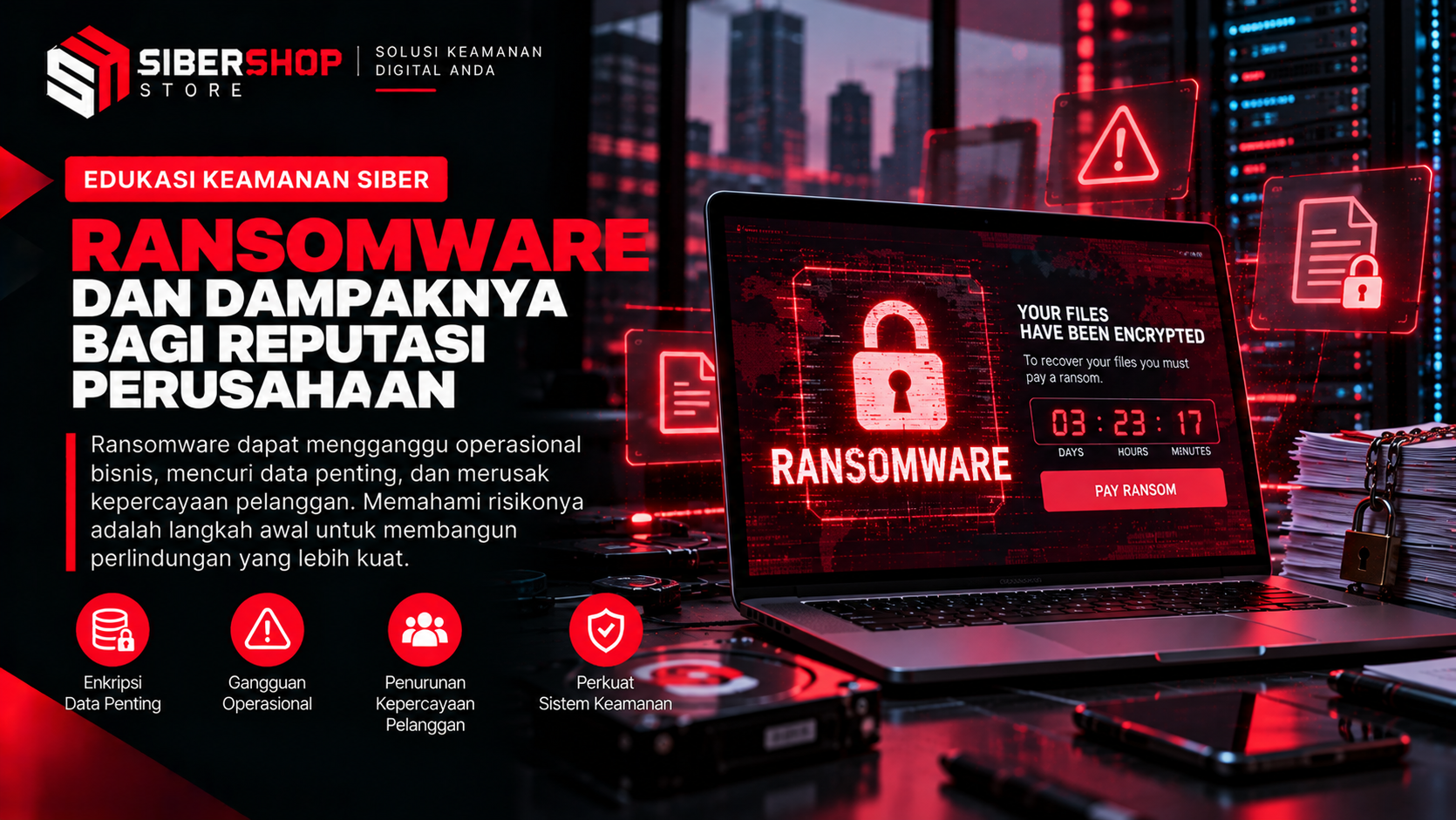
Ransomware is a type of malicious software that locks access to an organization’s systems or data, after which the attackers demand a ransom as a condition for restoration. For many companies, these attacks were initially viewed as technical disruptions that were the IT team’s responsibility. That perspective isn’t wrong, but it’s incomplete. A locked-out system is merely the first layer of the problem—behind it lie halted operations, compromised client data, and a company’s reputation that begins to be called into question.
System recovery is typically measured in days or weeks, whereas restoring trust can take much longer. Clients who have received incident notifications will remember them when it comes time to renew their contracts. Business partners will reconsider how safe it is to share information with that company. The public and the media tend to judge a company by how it handles a crisis, not just by the fact that an attack occurred. Therefore, a ransomware attack should be viewed as a reputational crisis that just happens to start on the technical side.
The Threat of Data Leaks as Additional Pressure
Some attackers not only lock the data but also copy it first. With that copy, they can threaten to release the information to the public if the ransom isn’t paid. This pressure puts companies—even those with data backups—in a difficult position, as the issue shifts from access to confidentiality. Customers’ personal data, employee data, and internal documents become bargaining chips in the attackers’ hands.
Once data is published on forums, the attackers’ websites, or messaging channels, its spread is difficult to control. Copies can be shared, re-uploaded, and cited by others, creating a lasting digital trail. That trail can appear in search results when the company’s name is typed, and can be read by potential clients, potential investors, and job seekers. The reputational impact does not end on the day the incident is announced, but rather clings to the company’s digital identity for a long time. Managing the situation requires careful monitoring—not just a one-time action.
Questions That Arise After an Incident
Once the incident becomes known, questions come from all directions. Clients want to know if their data was affected, what the company is doing about it, and when the next update will be provided. Partners question the security of system integrations and document exchanges that have been in place. The media and the public ask about the cause, the scope of the impact, and who is responsible. All of these questions are reasonable and should be answered with honest, verified information.
Remaining silent is often seen as the safe option, yet this approach actually leaves room for speculation. When a company remains silent, information will come from the perpetrators, online forums, or other sources that may not be accurate. Inconsistent communication also erodes trust—for example, an initial statement claiming no data was compromised, only to be revised a few days later. Consistency in messaging, a clear schedule for updates, and a single point of contact help external parties feel that the company is in control of the situation. Trust is measured by that calmness and openness, not by the absence of problems.
Common Mistakes Made After an Attack
The first mistake is assuming the incident is over once the system is back online. In reality, data that the attacker has already copied may still surface later, and anxious clients still need reassurance. Companies that close a case too quickly are often surprised when their internal information leaks several weeks later. By that time, the team has usually returned to their routine work, so there is no one monitoring the situation.
The second mistake is failing to monitor the spread of data afterward. Without monitoring, companies only learn of the leak from customer messages or journalists’ inquiries—that is, when their communication position is at its weakest. The third mistake is failing to designate a communications lead before a crisis strikes. As a result, statements are drafted in a rush, require approval from too many parties, and vary in tone from one channel to another. All three stem from the same root cause: viewing ransomware as purely a technical issue.
Prevention from a Governance Perspective
Effective prevention begins with management decisions, not just security tools. Backups stored separately from the main network ensure the company has a path to recovery without having to negotiate with the attackers. Restricting access rights prevents a single compromised account from exposing the entire company’s data. These two steps limit the attackers’ scope of action and minimize the amount of data at risk of being leaked.
A written and well-rehearsed response plan makes decision-making on the first day much calmer, including determining who speaks to clients, partners, and the media. The plan should cover communication as well as escalation protocols to legal and cybersecurity advisors, and not stop at technical recovery. After an incident, monitoring data traces in the public domain helps companies detect early on if information appears where it shouldn’t. Monitoring has its limits, however, as closed forums, private messaging channels, and copies that have changed hands are not always accessible; thus, no service can guarantee that all data traces will be permanently erased. Reporting through official channels is possible, but the success of removal depends on platform policies and cannot be guaranteed. Companies that prepare for all of this in advance are more likely to weather the crisis with their reputation better preserved.
Contact Us
Contact us through our official channels for data monitoring, content reporting, or crisis response consultation.