How to Tell the Difference Between Genuine Accounts and Fake Accounts
It’s becoming increasingly difficult to spot fake accounts because scammers are doing a very good job of impersonating others. They take profile photos, names, and even writing styles from real accounts, then create new profiles that look convincing. Their motives vary, ranging from scamming the victim’s contacts, spreading content that damages someone’s reputation, to collecting personal data. Many people only realize there’s a fake account when a friend or colleague contacts them and asks about strange messages they never sent. Understanding the early warning signs helps account owners and other users take action more quickly.
Accounts that impersonate others are not a minor nuisance. The impact can extend to the reputation, professional relationships, and even the financial security of those around the person whose name is being used. For business accounts and public figures, the risk is even greater because followers tend to trust widely recognized names. Therefore, the ability to distinguish between genuine and fake accounts is essential for all social media users—not just those whose names are being impersonated.
Suspicious Usernames and Profile Displays
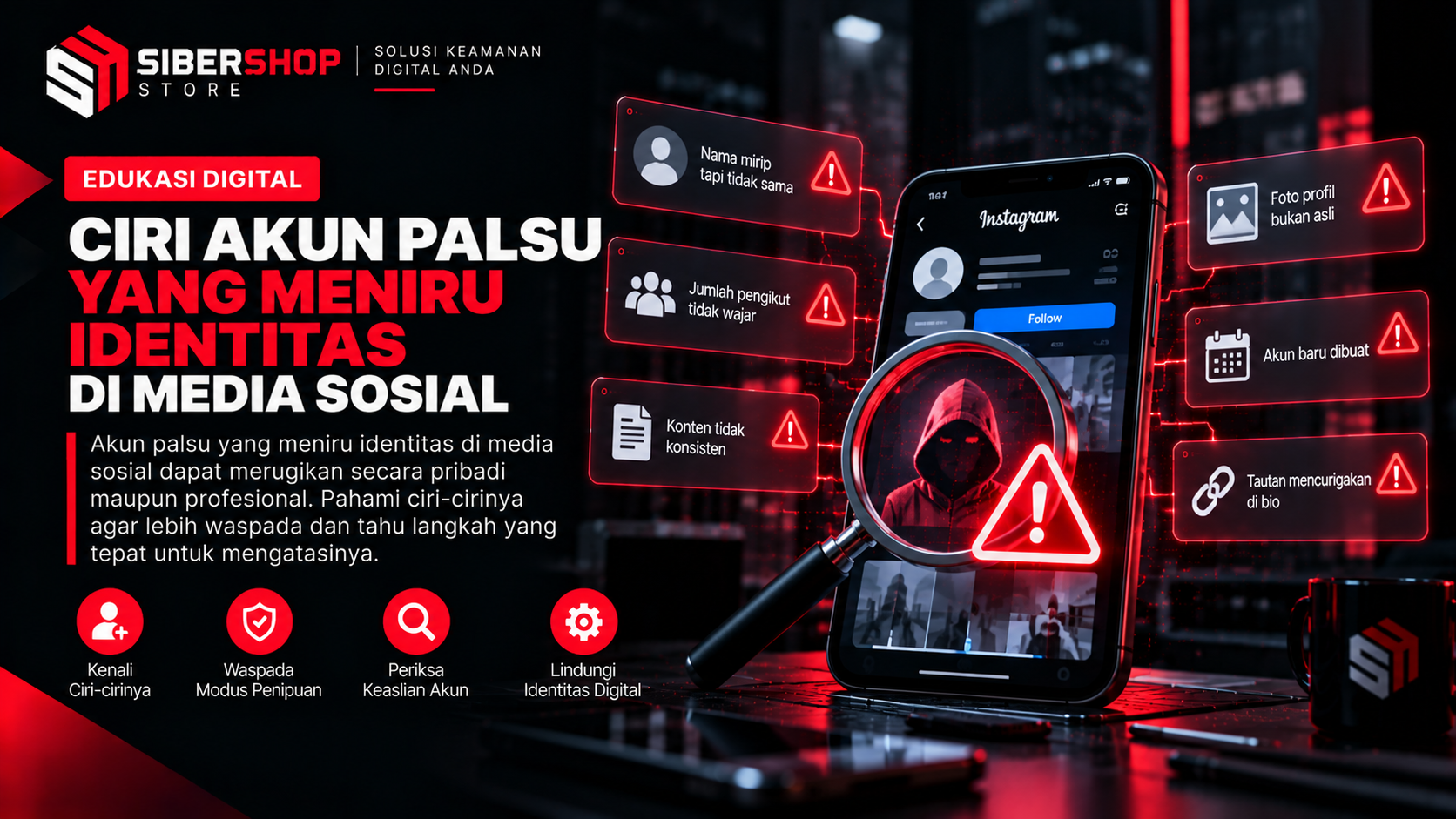
The earliest signs are usually visible in the username. Perpetrators often add a single letter, replace a letter with a similar-looking number, or insert an underscore to make it look almost identical to the genuine account. Basic profile information is also worth checking, such as the number of posts, the number of followers, and how long the account has been active. Fake accounts generally have very few posts or have only recently appeared. If there are two accounts with nearly identical names, the one with a longer activity history and reasonable levels of interaction is usually the genuine account.
Profile photos and brief descriptions also warrant close scrutiny. Perpetrators usually copy photos from the genuine account but often overlook small details such as website links, business names, or consistent location information. If the profile section appears empty or differs from what the account owner usually uses, it’s reasonable to be suspicious. However, a single sign isn’t enough to draw a conclusion. The safest assessment comes from a combination of several signs appearing together.
Suspicious Communication Patterns
Fake accounts almost always move quickly toward their main goal. The first message might be an investment pitch, a request for urgent financial assistance, or a link that needs to be opened immediately. The writing style often differs from the original owner’s usual style—for example, it may be overly formal, contain many typos, or suddenly become very familiar with someone they rarely interact with. Time pressure is another fairly consistent characteristic, as the scammer wants the victim to act before they have a chance to verify the message’s authenticity.
One simple yet often effective step is to contact the account holder through a known alternative channel, such as a direct phone call or a messaging app they regularly use. This is usually enough to confirm whether the message truly comes from the person in question. Users should also avoid sharing verification codes, personal identification data, or account information with unverified accounts. Making it a habit to verify first helps prevent many cases of fraud before they result in financial loss.
Unusual Content and Interactions
Fake accounts typically use old photos and posts taken from the original account. The comments section tends to be empty or contains only generic comments from other newly created accounts. If there are new posts, their content often does not align with the actual account owner’s activities or interests. In some cases, fake accounts intentionally post derogatory or misleading content to damage the reputation of the person being impersonated.
A reverse image search on the profile photo can help determine whether the photo originated elsewhere. The results still need to be evaluated alongside other indicators to avoid jumping to conclusions, as the same photo could be used legitimately by many different parties. You can also check who is following the account. If the account’s circle of friends seems implausible compared to the original account, that’s another reason to be cautious.
Impact on the Reputation and Security of the Identity Owner
For the person whose name is being used, a fake account can cause indirect harm. Deceived contacts may assume the real owner is involved, thereby disrupting both personal and professional relationships. For businesses, fake accounts may offer counterfeit products or services under the brand’s name, causing customers to lose trust. These consequences often only become apparent after many people have already interacted with the account.
Another risk arises from data misuse. Conversations with victims can be used to gather personal information, which is then exploited for further fraud or to create additional fake accounts. Additionally, content posted by fake accounts can be indexed by search engines and appear when the owner’s name is searched. Therefore, addressing the issue early on is far easier than waiting for the impact to spread.
First Steps When Discovering a Fake Account
The first step is to document your findings before the account changes or disappears. Screenshots of the profile, the account link, the date it was discovered, and examples of messages sent serve as crucial evidence for reporting. The account holder should also notify close contacts so they do not respond to messages from that account. It’s best not to interact directly with the perpetrator, as an emotional response can worsen the situation or prompt the perpetrator to cover their tracks.
Once evidence has been gathered, a report can be filed through the official reporting feature on the relevant platform, citing identity impersonation as the reason. Reports that are clearly written and accompanied by proof of identity ownership are typically reviewed more readily. If the fake account has spread to multiple platforms or has legal implications, professional assistance can help ensure that every reporting channel is properly utilized. The review process remains the platform’s discretion, so resolution times may vary by case.
Habits That Help Reduce Risk
Prevention starts with basic habits. Account owners should adjust their profile privacy settings as needed, limit the personal data displayed in their bio, and periodically check whether other accounts are using their name or photo. Searching for your own name on search engines and social media platforms every so often can help you spot fake accounts earlier. For business accounts, informing customers about legitimate official channels also reduces the likelihood of them being deceived by impersonator accounts.
Contact Us
Issues involving identity impersonation can be resolved when addressed with proper evidence and through the correct reporting channels. Our team handles reports of fake accounts, the removal of content that misuses names and photos, and provides assistance to individuals and companies whose identities have been misused by others. An initial consultation helps assess the case and determine the most appropriate course of action.
Contact Us through our official channels.